The turkey vulture roosts in large community groups, breaking away to forage independently during the day. Several hundred vultures may roost communally in groups which sometimes even include black vultures. It roosts on dead, leafless trees, and will also roost on man-made structures such as water or microwave towers. 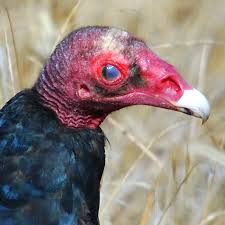 Though it nests in caves, it does not enter them except during the breeding season. The turkey vulture lowers its night-time body temperature by about 6 degrees Celsius to 34 °C (93 °F), becoming slightly hypothermic.
This vulture is often seen standing in a spread-winged stance. The stance is believed to serve multiple functions: drying the wings, warming the body, and baking off bacteria. It is practiced more often following damp or rainy nights. This same behavior is displayed by other New World vultures, by Old World vultures, and by storks. Like storks, the turkey vulture often defecates on its own legs, using the evaporation of the water in the feces and/or urine to cool itself, a process known as urohidrosis. It cools the blood vessels in the unfeathered tarsi and feet, and causes white uric acid to streak the legs. The turkey vulture has few natural predators. Adult, immature and fledging vultures may fall prey to great owls, hornedowls, red tailed hawks, golden eagles and bald eagles, while eggs and nestlings may be preyed on by mammals such as raccoons and opossums. Foxes can occasionally ambush an adult but species that can climb are more likely to breach and predate nests than adults. Its primary form of defense is regurgitating semi-digested meat, a foul-smelling substance which deters most creatures intent on raiding a vulture nest. It will also sting if the predator is close enough to get the vomit in its face or eyes. In some cases, the vulture must rid its crop of a heavy, undigested meal in order to take flight to flee from a potential predator. Its life expectancy in the wild ranges upward of 16 years, with a captive life span of over 30 years being possible.
The turkey vulture is awkward on the ground with an ungainly, hopping walk. It requires a great deal of effort to take flight, flapping its wings while pushing off the ground and hopping with its feet.[33] While soaring, the turkey vulture holds its wings in a shallow v-shape and often tips from side to side, frequently causing the gray flight feathers to appear silvery as they catch the light. The flight of the turkey vulture is an example of static soaring flight, in which it flaps its wings very infrequently, and takes advantage of rising thermals to stay soaring.
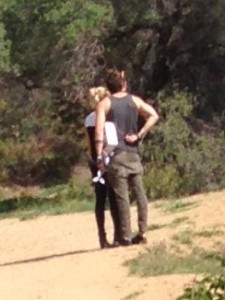 This man launched the inaugural flight of his new drone on the Sycamore Trail. The drone is in his left hand & the box it came out of under his arm. People know they can get away with this behavior . Imagine our poor wildlife, the noise and intrusion to our residents also

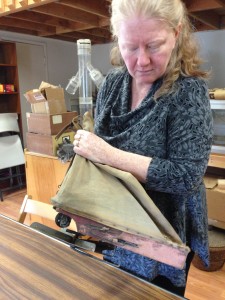 uments and t
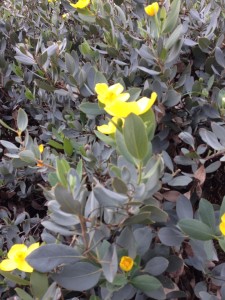 ools.
ools.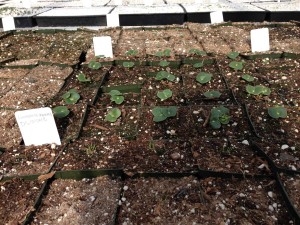
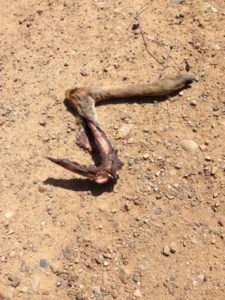
 sitors.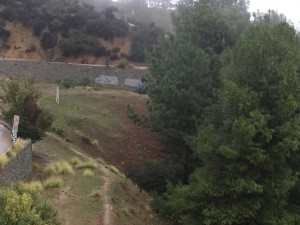
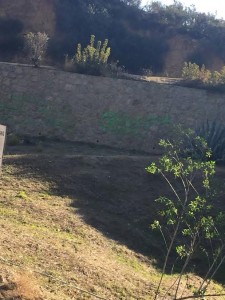
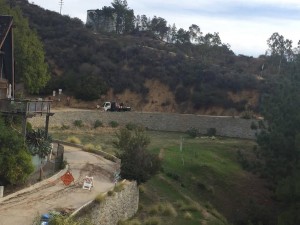
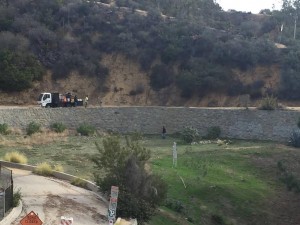 historic wall ( cultural heritage designation #535) with paint incongruous to its character. She then interfaced with one of our “City Angels” Lambert Geisinger in Cultural Heritage who contacted the Public Works Commission to expedite appropriate removal of paint. Thank you Lambert!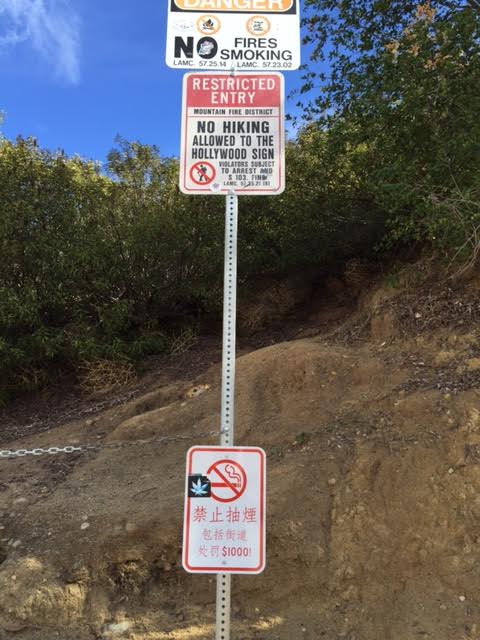
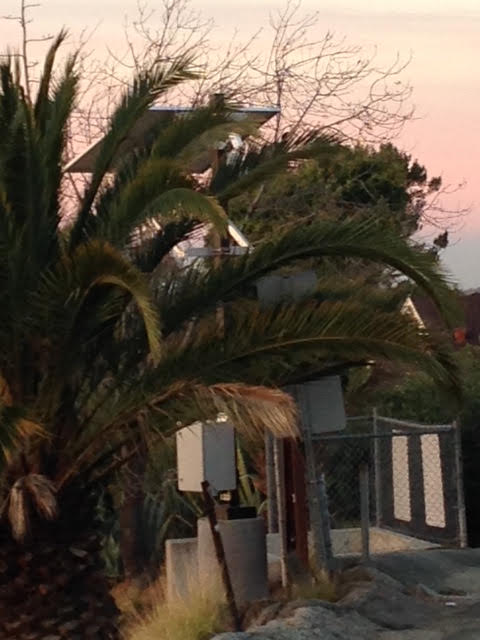
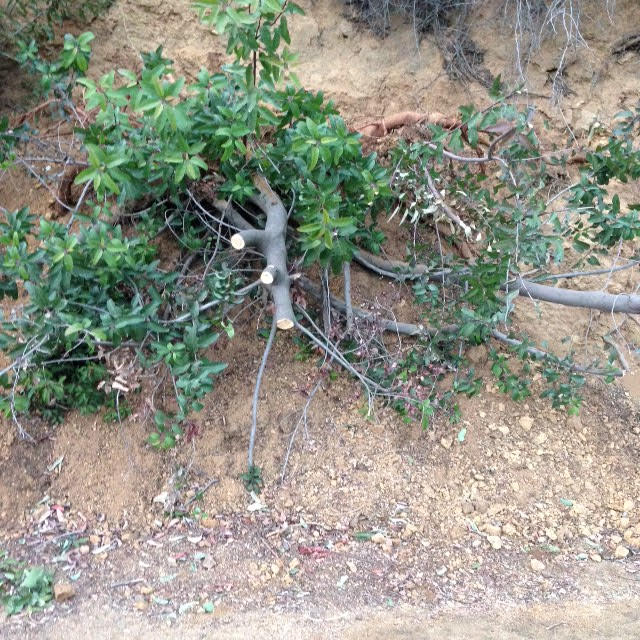 The city sent a crew to cut down a sumac that was sliding onto the road. They did and threw the debris off the other side of the road!
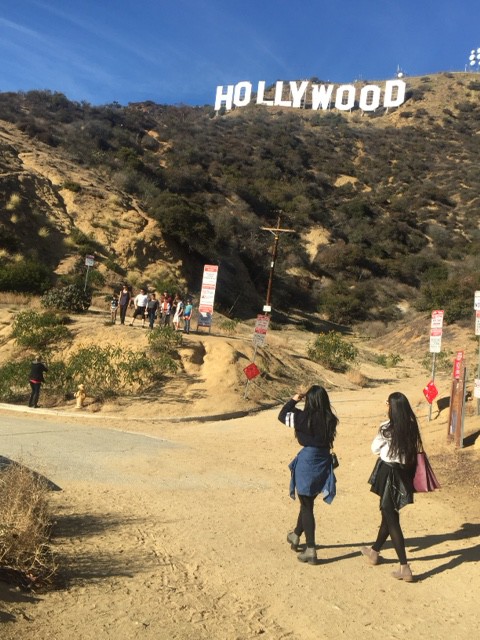 ote the small group adjacent to the letter D who are hiking in off limits territory, creating new illegal footpaths. Within a 30 minute period more than 12 people were observed on these unauthorized footpaths.
 Seventy one (71) years ago Earl Haskell represented the M.H. Sherman Company gifting Hollywoodland’s 444.5 acres of open space to the City of Los Angeles. That transaction took place at the December 18, 1944 Board of Playground and Recreation Commissioners meeting in City Hall. This was the largest single donation (other than the original Colonel Griffith land, 3,800 plus acres.) This humble gift was given with little fanfare, with little name recognition and yet it holds some of the most precious, eco sensitive land and wildlife in the entire park system.